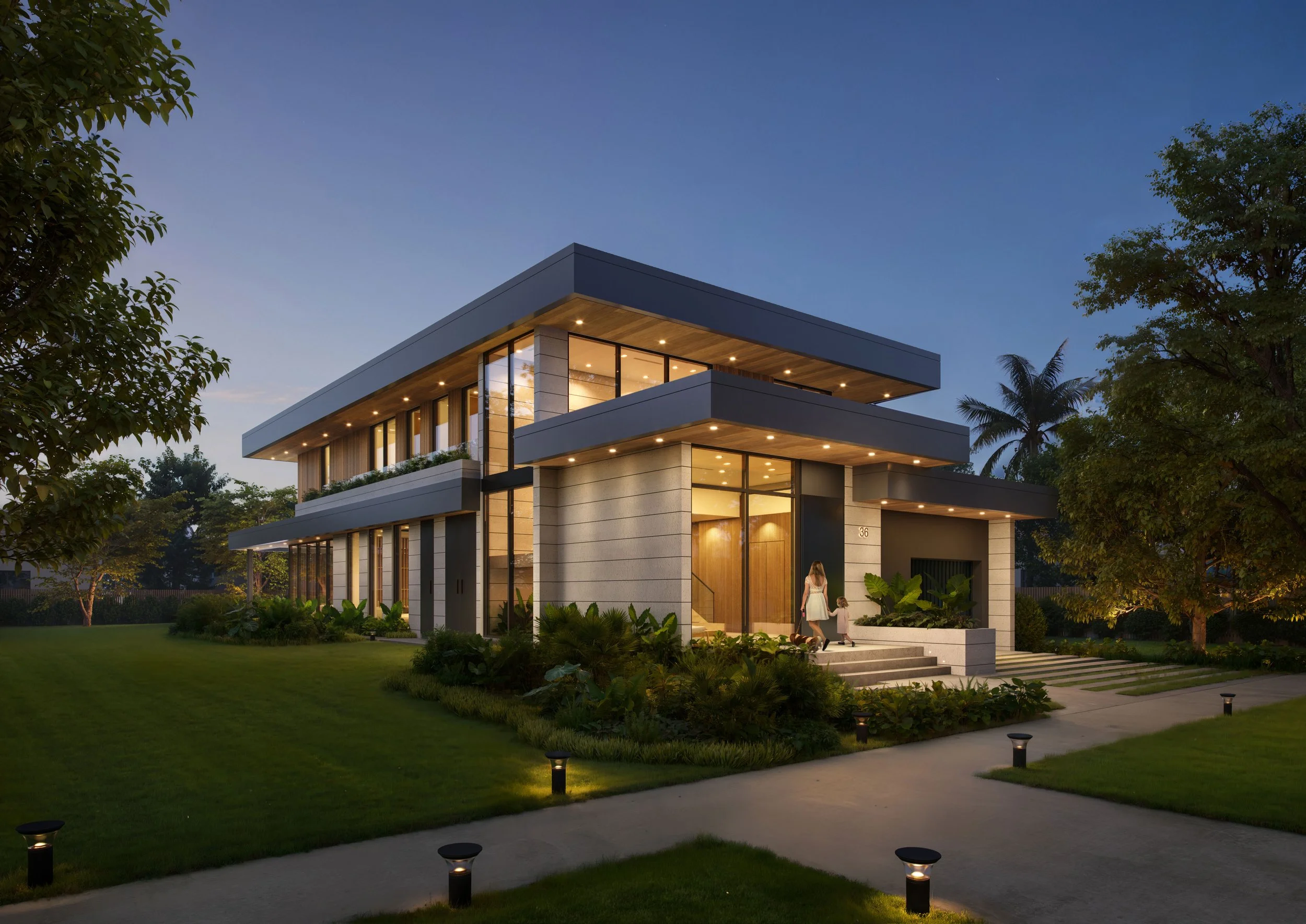
Architect in Coconut Grove Miami
Understanding zoning, lot conditions, and architectural strategies unique to one of Miami’s most established neighborhoods.
Coconut Grove is one of Miami’s most established and architecturally sensitive neighborhoods. With its mature tree canopy, irregular lot patterns, historic fabric, and proximity to the water, designing and building a home in Coconut Grove requires a very different approach than in other parts of South Florida.
As architects working extensively in Coconut Grove, we understand that successful projects here start long before design. Zoning constraints, lot characteristics, environmental conditions, and neighborhood context all play a critical role in shaping what is possible — and what is smart — on a given property.
This page outlines the key considerations for residential projects in Coconut Grove, from zoning realities to typical lot conditions, and explains how we approach design in this unique Miami neighborhood.
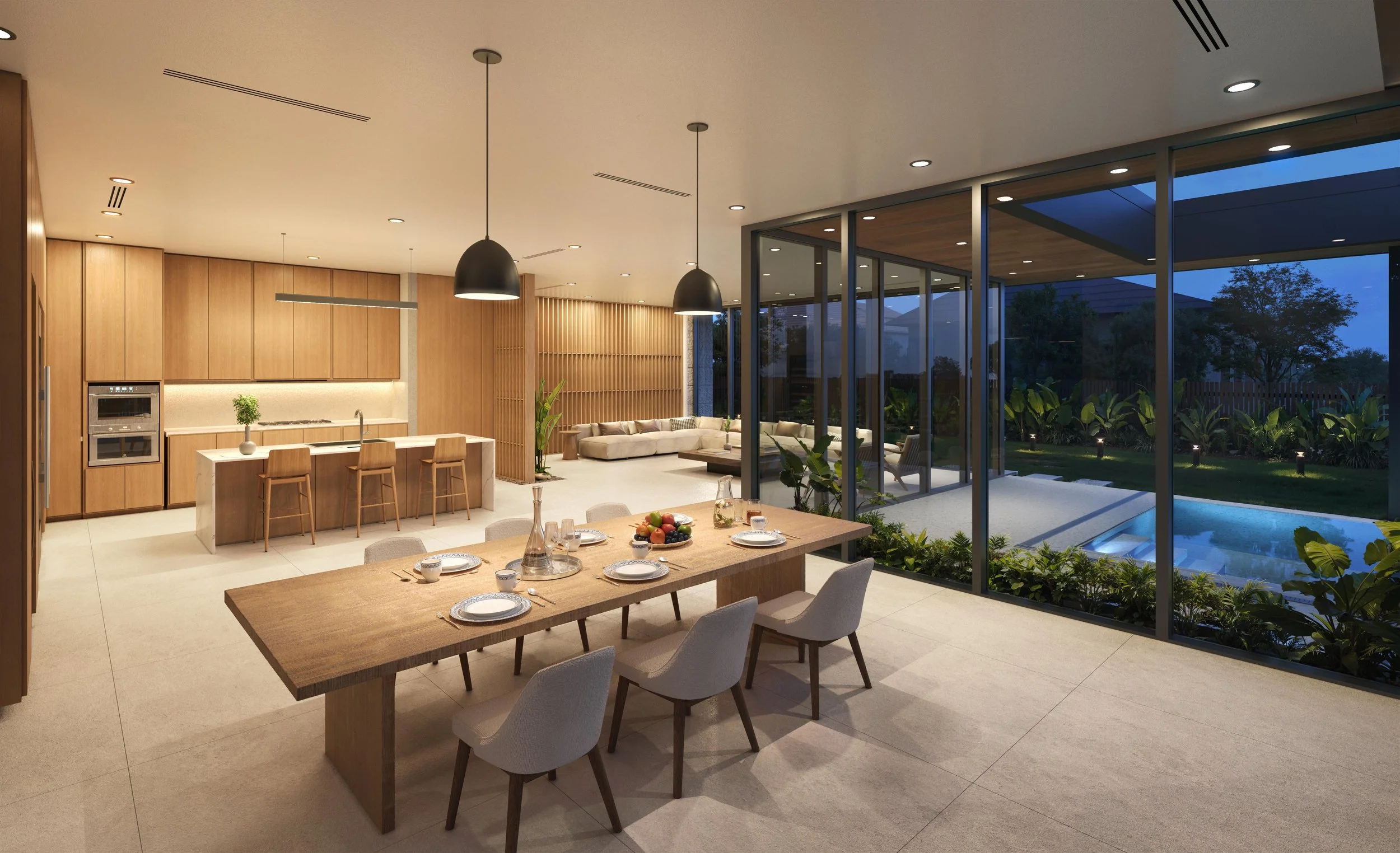
Understanding Coconut Grove Zoning and Residential Regulations
Zoning in Coconut Grove is generally more restrictive and more context-driven than in many other Miami neighborhoods. While zoning classifications vary by location, most residential properties fall within Neighborhood Conservation Districts (NCD), typically NCD-2 or NCD-3, depending on the specific area of the Grove.
These districts are intended to preserve neighborhood character by regulating scale, massing, and site organization rather than maximizing density.
Key zoning and regulatory considerations in Coconut Grove typically include:
Front, side, and rear setbacks that significantly shape the buildable envelope.
Maximum building height limits, often lower than in other Miami residential areas.
Lot coverage restrictions, requiring careful control of footprint and massing.
Neighborhood Conservation District (NCD-2 or NCD-3) requirements, which influence building form, articulation, and relationship to adjacent properties.
Garage access location and visibility, including limitations on front-facing garages and requirements that garages remain visually secondary to the main residence.
Tree protection regulations, which are among the most stringent in Miami.
Flood zone and finished floor elevation requirements, particularly for properties closer to the water.
Because of these overlapping constraints, early zoning and site analysis is critical. In Coconut Grove, design decisions made without a clear understanding of NCD requirements, garage placement rules, and buildable area limitations often lead to redesigns, delays, or avoidable compromises.
For this reason, zoning strategy and site planning are foundational steps in any residential project in Coconut Grove — not something to resolve after design has already begun.
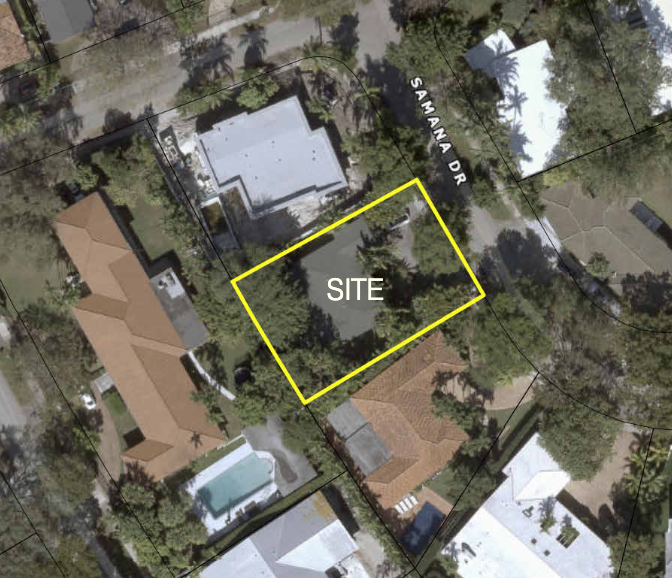
Typical Lot Conditions in Coconut Grove
Residential lots in Coconut Grove vary significantly in size, shape, and constraints. Most properties range between 5,000 and 10,000 square feet (although there are some lot than span up to 20,000 SF), often with irregular geometries, narrow widths, or shallow depths that directly influence layout and massing.
A defining characteristic of the neighborhood is its mature tree canopy. Protected trees frequently limit building footprint, driveway placement, and outdoor program, requiring early coordination between architecture, landscape, and structure.
Some properties include rear alley access, which can improve garage placement, service access, and street presence when properly integrated within zoning requirements.
Successful projects in Coconut Grove respond to these conditions early, using site strategy to guide design rather than reacting to constraints later.
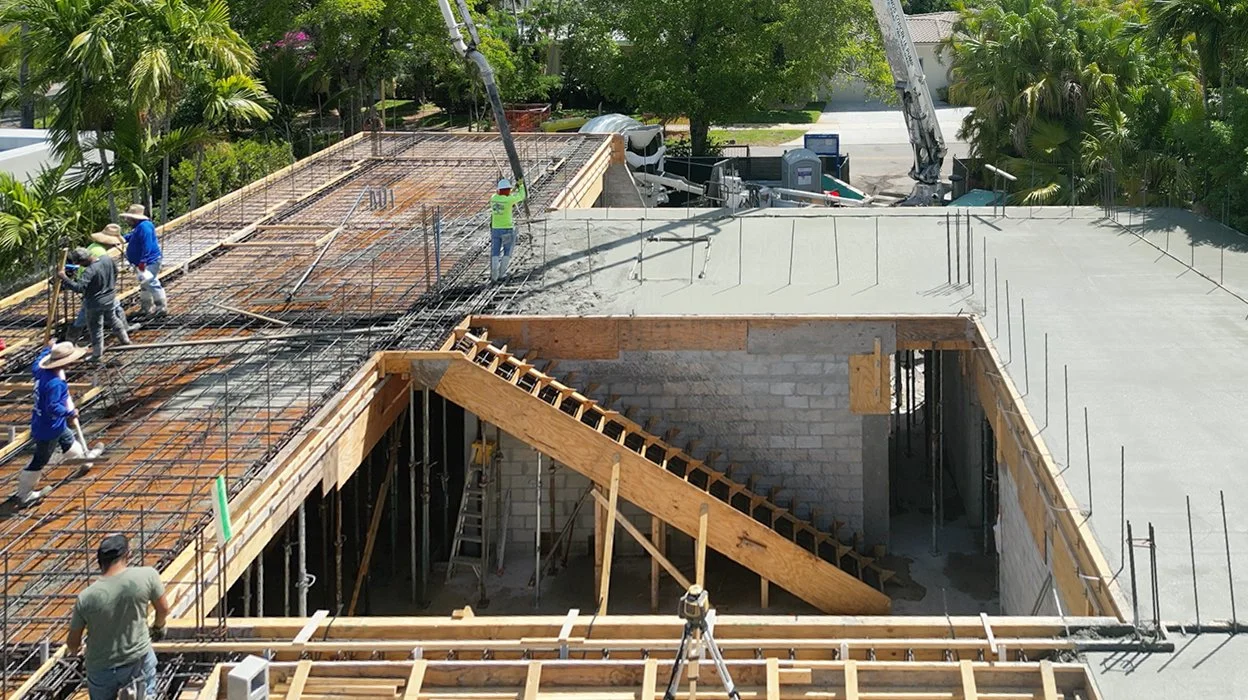
Architectural Challenges in Coconut Grove Home
Designing a home in Coconut Grove requires balancing openness with privacy, elevation requirements with proportion, and contemporary living with neighborhood context.
Common challenges include:
Maintaining privacy in close-set residential conditions
Integrating required flood elevations into the architecture
Selecting materials suited to humidity, salt air, and heavy rainfall
Designing within scale and articulation limits defifined by NCD regulations
Well-designed homes in Coconut Grove do not rely on excess size or formal gestures. They succeed through proportion, site responsiveness, and thoughtful integration of indoor and outdoor space.
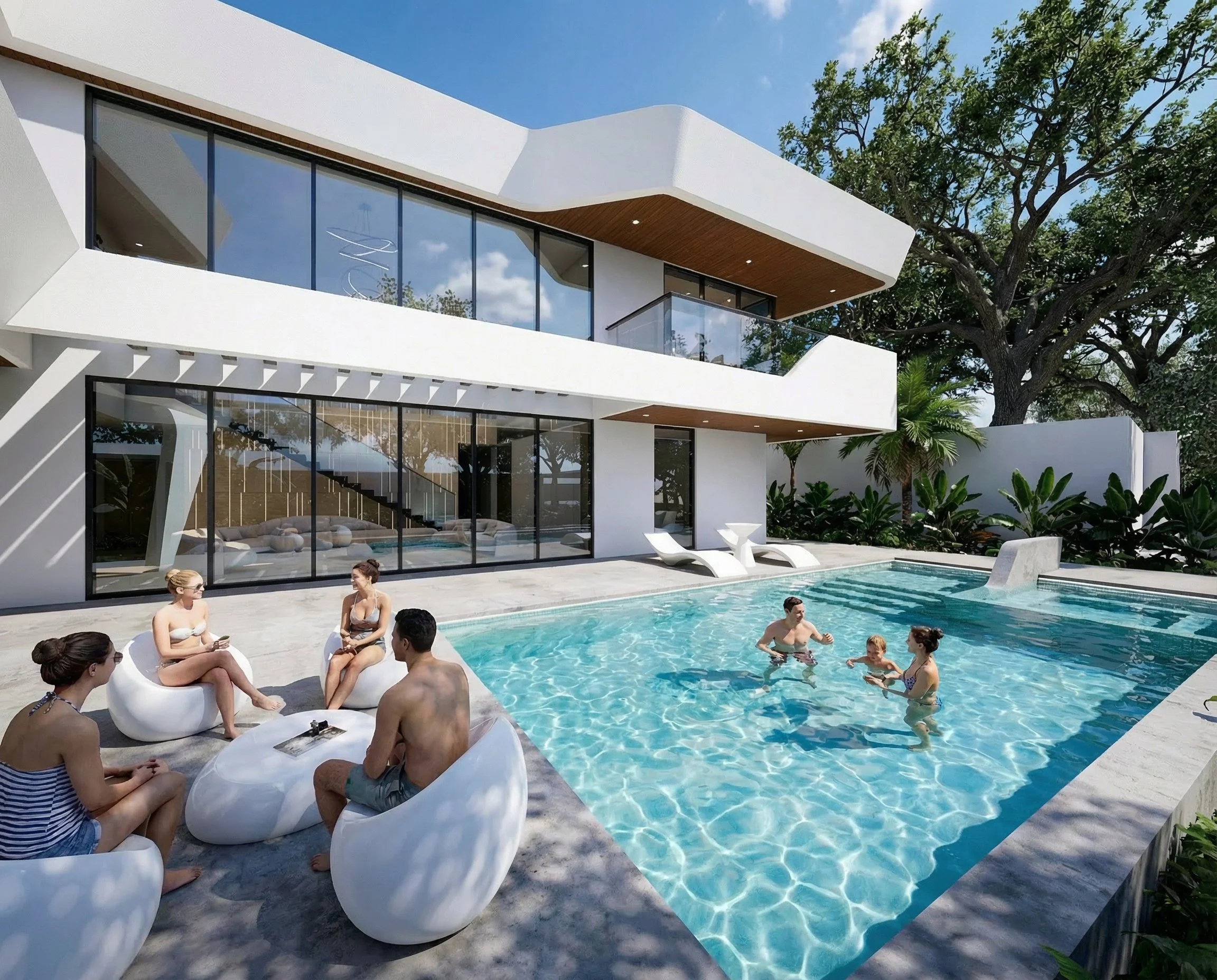
Our Architectural Approach to Projects in Coconut Grove
Our work in Coconut Grove begins with a deep understanding of the site and its constraints. Before developing architectural form, we focus on feasibility, zoning analysis, and site strategy to ensure the project is viable, efficient, and aligned with both regulations and client goals.
Our approach typically includes:
Early zoning and code analysis
Buildable envelope studies
Site-specifific massing strategies
Integration of landscape, architecture, and structure
Clear coordination with consultants from the outset
Design in Coconut Grove is not about imposing a concept. It is about shaping architecture that responds intelligently to its environment, its regulations, and the way people live.
Planning to Build or Renovate a Home in Coconut Grove?
If you are considering purchasing a property, renovating an existing home, or building a new residence in Coconut Grove, early architectural involvement can significantly reduce risk and improve outcomes.
Understanding zoning limitations, tree regulations, flood requirements, and lot constraints before committing to a design direction allows for better decisions — both architectural and financial.
To learn more about our residential work or our design process, you can explore the main Ginard Studio website or review selected projects that reflect our approach to architecture in Miami.
Frequently Asked Questions About Building in Coconut Grove
-
Yes. Coconut Grove residential properties are typically regulated under Neighborhood Conservation Districts (NCD-2 or NCD-3), which impose specific requirements on setbacks, height, massing, garage placement, and overall site organization. An architect familiar with these regulations can identify constraints early and help avoid redesigns, delays, or lost buildable area.
-
Common constraints include limited building height, strict setbacks, lot coverage limits, protected tree requirements, and regulations affecting garage access and visibility. These factors signifificantly inflfluence the layout, massing, and feasibility of a residential project.
-
They can be. Coconut Grove has some of the most stringent tree protection regulations in Miami. Protected trees often affect building footprint, driveway placement, pool location, and outdoor living areas. Early coordination between architecture and landscape design is essential.
-
Many properties in Coconut Grove are located in flflood zones that require elevated fifinished flfloor levels. These requirements must be integrated carefully into the architectural design to maintain proportion, accessibility, and seamless indoor-outdoor transitions.
-
Yes. Contemporary architecture is permitted in Coconut Grove, provided it respects zoning requirements and neighborhood scale. Successful modern homes in the Grove focus on proportion, material quality, and site responsiveness rather than size or formal excess
-
Ideally before purchasing the property or committing to a design direction. Early architectural involvement allows for zoning analysis, feasibility studies, and realistic evaluation of what can be built, helping clients make informed decisions both architecturally and financially.
-
In many cases, yes. Properties with rear alley access may allow for improved garage placement, better street presence, and more efficient site organization. However, alley use must comply with zoning and access regulations and should be evaluated early in the process.
-
Generally, yes. Compared to many parts of Miami, Coconut Grove places greater emphasis on scale, context, tree preservation, and neighborhood character. This makes careful planning and site-specific design particularly important.
Still have questions?
Whether you’re planning a renovation or a large-scale development, our team is here to help. Contact us today to discuss your project challenges.
Why clients choose us?
Developers, investors, and homeowners work with Ginard Studio because we combine:
Refined modern design.
Efficient planning and buildable solutions.
Strong understanding of Miami zoning and U.S. building standards.
Consistent communication and coordination.
A disciplined approach that reduces complexity and elevates value.
Our projects balance luxury, performance, and real-world practicality.
The Studio

Meet the Founders
Alex and Yaliesy Ginard, founders of Ginard Studio, bring a unique blend of architectural expertise and real estate acumen to every project. Alex, a registered architect with more than 20 years of experience, has worked across Cuba, Mexico, and the U.S., specializing in high-end residential and commercial developments. After five years at Arquitectonica, he launched Ginard Studio in 2021 to create spaces that blend identity, functionality, and authenticity. Yaliesy, a licensed Florida real estate broker, plays a key role in feasibility studies, concept development, and business operations. Her strategic vision ensures smooth project execution while maintaining the integrity of each design.
Together, they lead a firm that thrives on collaboration, innovation, and a deep commitment to excellence. With a hands-on approach and a passion for transforming spaces, they work closely with clients, consultants, and contractors to bring visionary projects to life. Their designs not only inspire but also enhance communities and elevate everyday experiences.