
Architecture That Performs on Site: Navigating Miami Residential Codes and Construction Reality
Miami is not a forgiving construction environment. Residential projects here sit at the intersection of Miami 21 zoning, Florida Building Code, floodplain regulations, wind-load requirements, and local inspection protocols. Every one of those systems continues to exert pressure long after permits are issued.
This is why architecture in Miami cannot stop at design. Architecture that performs on site is what keeps projects compliant, buildable, and moving when conditions change and questions emerge in the field.
Why Miami Residential Projects Generate More On-Site Issues?
Miami residential construction is shaped by forces that do not exist in most markets:
Miami 21 setbacks, lot coverage, height, and FAR compliance
Flood zones and finished floor elevation requirements
Hurricane and impact-resistant construction standards
High water tables and unstable soil profiles
Active coordination with building, zoning, and inspection departments
Material substitutions and supply-chain constraints
These forces create constant moments where drawings meet reality — and reality requires decisions.
Real-Time Architectural Response During Construction
When field conditions diverge from drawings, waiting for revised permit sets is not an option. Work stops. Crews idle. Schedules slip.
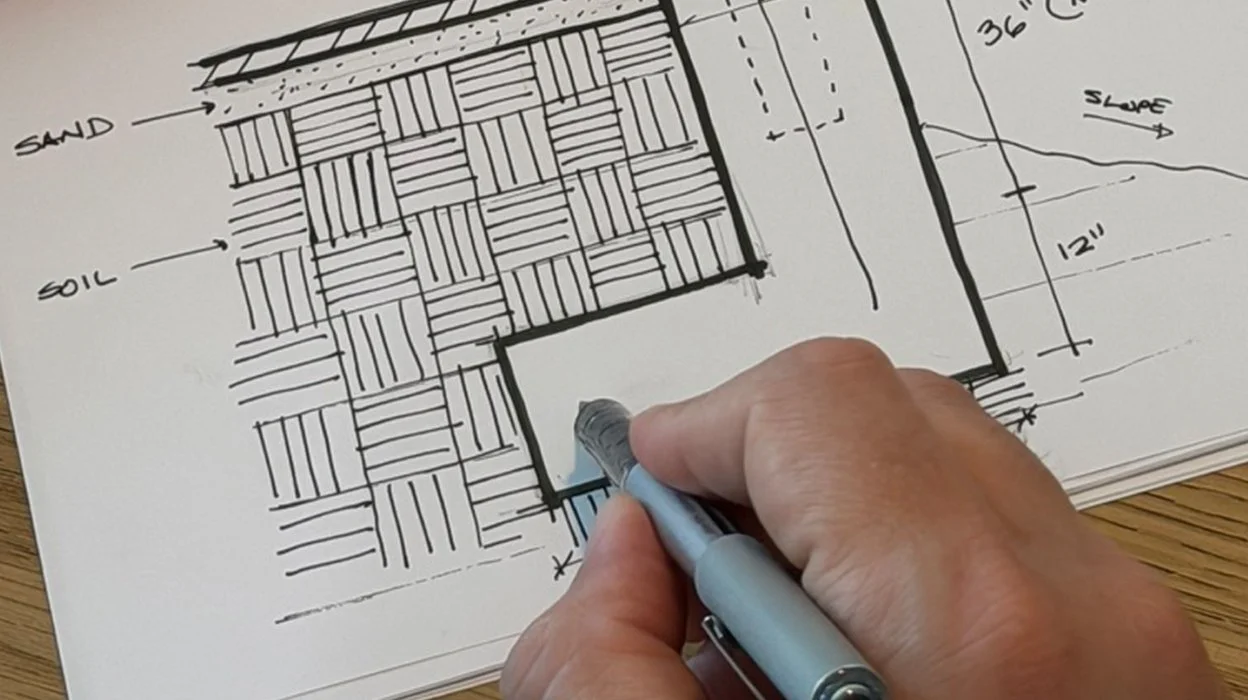
Through active construction administration, architecture steps into that gap. Field sketches, rapid technical clarifications, and coordinated responses allow contractors to continue building while compliance and design integrity are preserved. Formal documents follow — but momentum is not lost. That is what it means for architecture to perform on site.
Architecture as the Code-Execution Interface
In Miami residential construction, the architect is not just a designer. The architect is the interpreter between regulation and reality.
That includes:
Verifying that field solutions remain zoning- and permit-compliant
Translating code constraints into buildable details
Coordinating with structural, MEP, and specialty engineers
Supporting inspections and resolving discrepancies
Adapting to site conditions without jeopardizing approvals
This is where projects either stall — or stay on track.
Protecting Schedule, Compliance, and Capital
In Miami, delays are rarely caused by construction alone. They are caused by uncertainty, inspections, and regulatory exposure.
Architecture that performs on site reduces that risk by ensuring that decisions made in the field remain aligned with:
Approved zoning
Issued permits
Building code requirements
Structural and life-safety systems
That protects schedules - It protects capital and it protects the project.
Performance Is Measured in What Gets Built
In residential architecture, performance is not how a house looks in renderings. It is how efficiently, cleanly, and safely it is built.
Architecture that performs on site ensures that when Miami’s regulatory, environmental, and construction challenges surface — they are resolved in real time, not weeks later.
That is where real architectural value lives.