
How We Integrate Clash Detection into Our Full Architectural Services
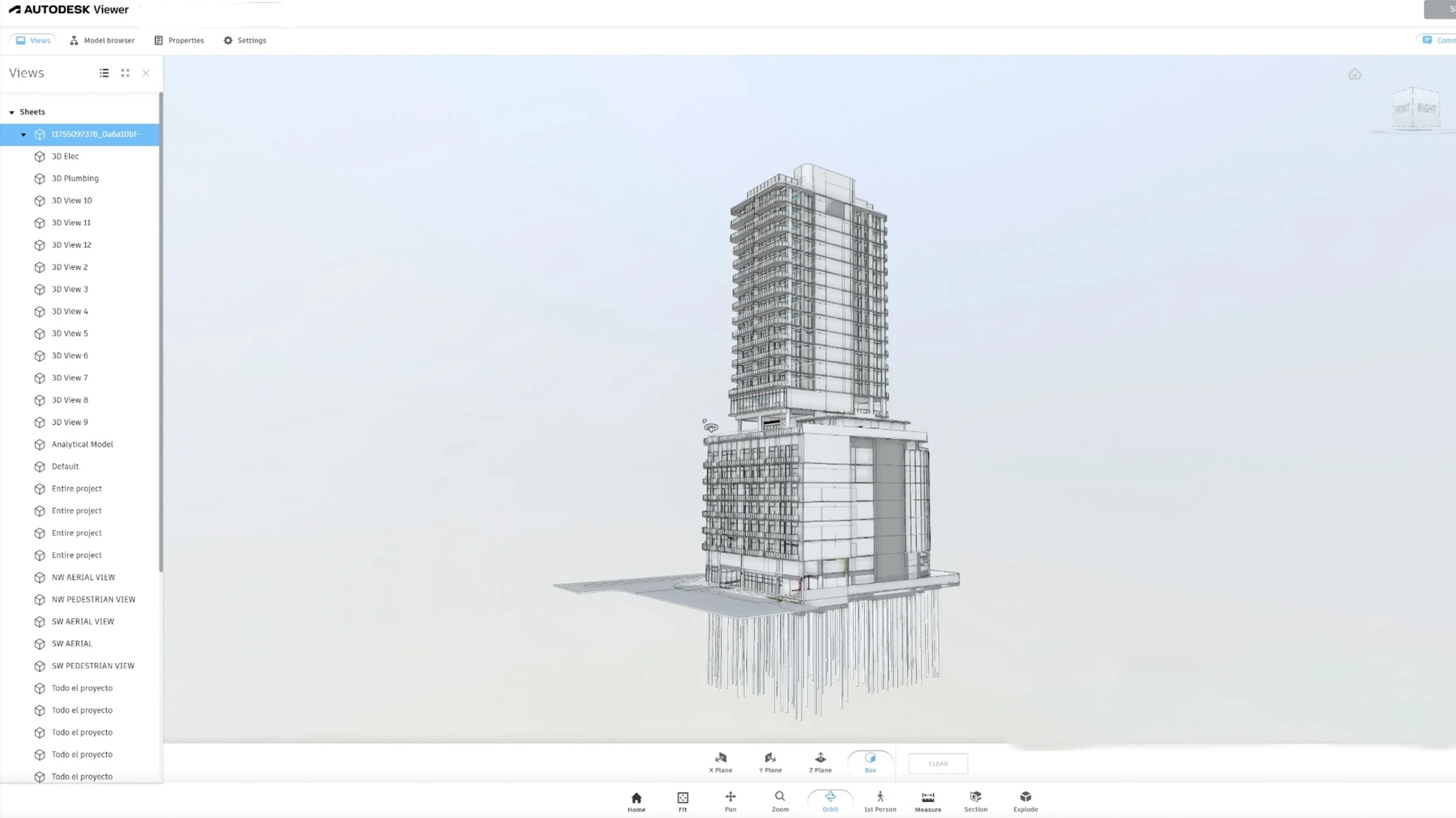
At Ginard Studio, we use Revit from the very first design stage through construction documentation. Clash detection is part of our internal quality control process that ensures accuracy and coordination at every step.
What is Clash Detection in Revit and Why It Matters
In the world of architecture and construction, precision is everything. Even the smallest oversight can lead to costly delays, design changes, or construction errors. This is where clash detection in Revit comes into play.
Clash detection is a powerful tool within Building Information Modeling (BIM) technology that identifies conflicts between different building systems before construction begins. These "clashes" can occur when architectural, structural, or mechanical elements overlap or interfere with one another in the design model
Here’s how it works within our workflow:
Comprehensive Modeling: We create a 3D model of every discipline on the entire project.
Automated Clash Detection: Revit scans the model for any spatial conflicts, such as ducts crossing structural beams or plumbing running into walls.
Problem Resolution: Our team addresses each clash during the design phase—before it ever becomes a problem on-site.
The Benefits for Our Clients
By using clash detection as part of our full architectural services, we help our clients:
Avoid Costly Mistakes: Detecting issues early prevents expensive change orders and construction delays.
Save Time: A coordinated model speeds up decision-making and streamlines the construction process.
Gain Peace of Mind: Clients can trust that every detail of their project has been carefully reviewed and optimized.
Ultimately, this technology helps us deliver high-quality, efficient, and cost-effective projects, whether for luxury residences or commercial developments in Miami and beyond.
Conclusion
Clash detection in Revit isn’t just a technical step—it’s part of our commitment to excellence. By integrating this technology into our end-to-end architectural services, we ensure that our clients receive projects that are not only beautiful but also built with precision, efficiency, and long-term value in mind.
Watch in this short video how we benefits our clients - Smart design | Fewer errors | Better projects: